
IslamiCity
Listen PodCasts, Live Quran, Watch Videos @VideoHub

The passing of Prince Karim Aga Khan IV, the spiritual leader of the Ismaili Muslim community, marks the end of an era defined by his profound contributions to architecture and social development. The Aga Khan, who passed away in Lisbon at the age of 88, was not only a revered religious figure but also a transformative force in global philanthropy and cultural preservation.
Born on December 13, 1936, in Geneva, Prince Karim Aga Khan IV was thrust into leadership at the tender age of 20 following the death of his grandfather, Sir Sultan Mahomed Shah Aga Khan. Educated at Harvard University, where he studied Islamic history, he embarked on a lifelong mission to bridge traditional Islamic values with modern progress. His vision extended beyond theology, embracing architecture, urban planning, and humanitarian work as essential tools for uplifting societies.
Through this initiative, the Aga Khan played a pivotal role in revitalizing historic Islamic landmarks, promoting contemporary designs rooted in tradition, and fostering innovation in sustainable architecture. His projects ranged from restoring UNESCO World Heritage sites to constructing modern, climate-adaptive buildings that serve the needs of growing urban populations. His vision of architecture was deeply intertwined with human dignity, ensuring that design served as a vehicle for social and economic development.
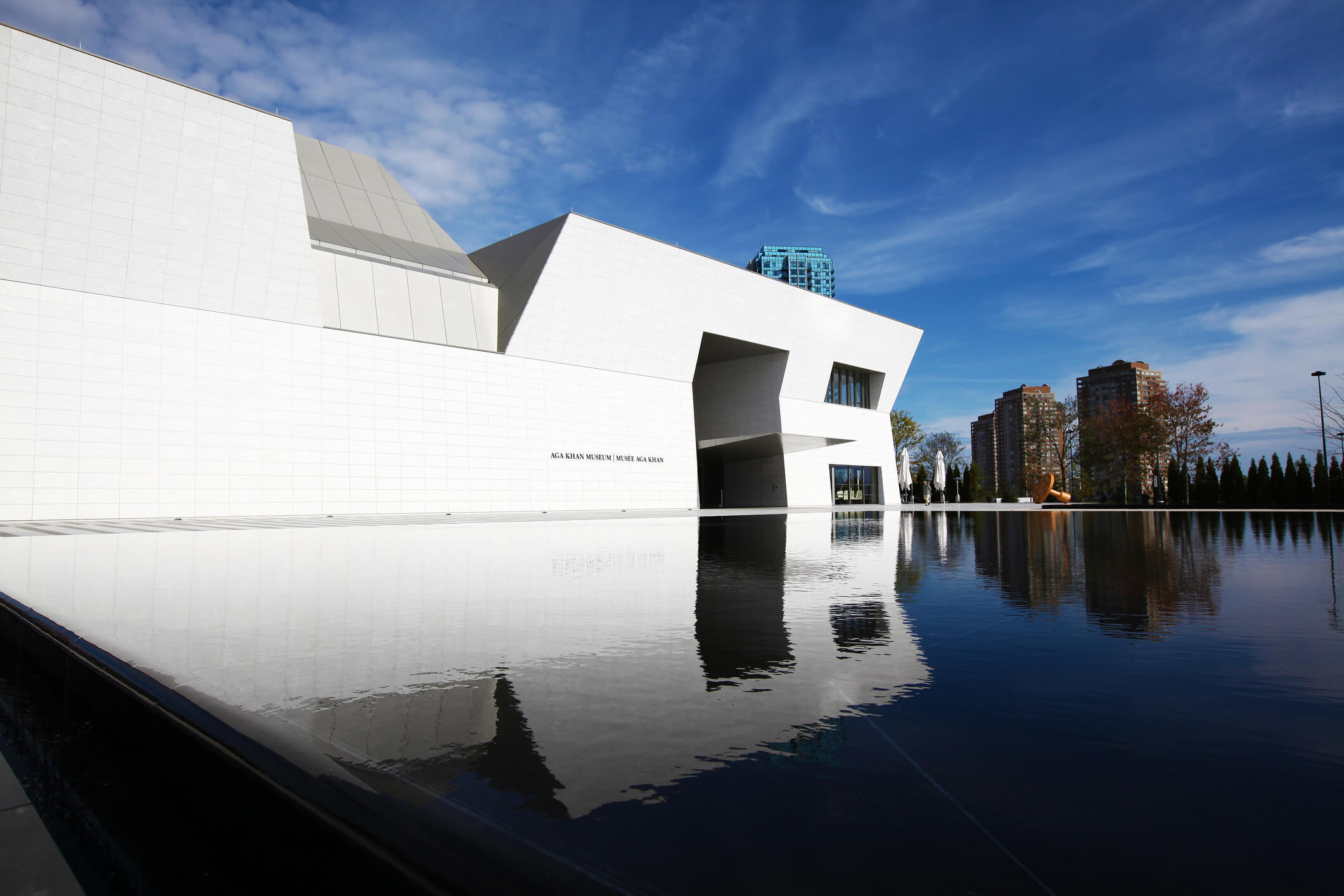
Under his leadership, AKDN built world-class hospitals and universities, providing access to quality education and medical care in some of the world's most impoverished regions. The Aga Khan University, headquartered in Pakistan, has become a beacon of academic excellence, training professionals who contribute to societal development in diverse fields. Similarly, his focus on rural economic development empowered countless communities through microfinance programs, agricultural support, and entrepreneurship initiatives.
As the world reflects on his passing, his legacy endures through the institutions he built, the lives he transformed, and the beauty he preserved in Islamic heritage. His successor, Prince Rahim Al-Hussaini, now steps into his role with a formidable legacy to uphold-one rooted in service, progress, and a deep respect for humanity's collective heritage.
 Islam and the Secular Challenge: Remembering Shabbir Akhtar


