
IslamiCity
Listen PodCasts, Live Quran, Watch Videos @VideoHub

In an increasingly interconnected and dynamic world, the emphasis on soft skills has never been more pronounced. Beyond technical prowess and academic qualifications, it's our ability to communicate effectively, collaborate harmoniously, adapt to change, and lead with integrity that truly defines success - not just in the professional sphere, but in every aspect of life.
While modern psychology and corporate training programs champion these attributes, the wisdom of Islam has, for centuries, provided a comprehensive framework for cultivating what we now call "soft skills."
Islam, as a complete way of life, doesn't merely focus on rituals and dogma; it places immense importance on the development of an individual's character (akhlaq) and their interactions with others.
The Quran and the Sunnah (the teachings and practices of Prophet Muhammad, peace be upon him) are replete with guidance that, when understood through a contemporary lens, directly addresses the core tenets of modern soft skills.
This article will explore how Islamic principles lay the foundation for essential soft skills, empowering Muslims to not only excel in their worldly endeavors but also to live a life pleasing to their Creator.
At the heart of all Islamic soft skills lies Taqwa (God-consciousness) and Ihsan (excellence or beautification in worship and deeds). Taqwa is the constant awareness of Allah's presence, leading to a deep sense of accountability and a desire to do good and avoid wrong.
Ihsan, on the other hand, is performing every action, whether an act of worship or a mundane task, with the utmost care, sincerity, and perfection, as if one sees Allah, or knowing that Allah sees them.
These two concepts are not just religious obligations; they are the ultimate soft skills. A person imbued with Taqwa will naturally be more ethical, trustworthy, and responsible. A person striving for Ihsan will demonstrate a strong work ethic, attention to detail, and a commitment to quality in all their interactions and outputs. These foundational qualities permeate every other soft skill we will discuss.
Effective communication is paramount in both personal and professional settings. Islam emphasizes communication that is not only clear and concise but also truthful, respectful, and compassionate.
Islam places a high premium on community (Ummah) and collective action. The concept of brotherhood and sisterhood in Islam naturally fosters an environment conducive to collaboration and teamwork.
Life is characterized by constant change. Islam teaches Muslims to be adaptable and resilient, finding strength in faith during times of hardship and uncertainty.
In Islam, leadership is viewed as a trust (amanah) and a responsibility, not a position of power for personal gain. True leaders serve their followers and guide them towards what is good.
For those seeking to further cultivate these essential soft skills and integrate them into their personal and professional lives through an Islamic lens, resources are available. One such valuable platform is Kharchoufa.com, a blog dedicated to offering insights and practical advice for personal and professional development from an Islamic perspective.
Their articles delve into various aspects of self-improvement, character building, and career growth, all rooted in Islamic principles. Exploring their content can provide tangible steps and deeper understanding on how to embody these soft skills in daily life.
The timeless teachings of Islam offer a profound and holistic framework for developing soft skills that are not only valued in today's world but are also deeply ingrained in the very fabric of a believer's character.
From the foundational principles of Taqwa and Ihsan to the practical guidance on communication, collaboration, adaptability, and leadership, Islam provides a roadmap for cultivating individuals who are not only professionally competent but also ethically sound, compassionate, and resilient.
By embracing these divine principles, Muslims can truly embody excellence in character and conduct, becoming beacons of positive change in their families, communities, and the global arena.
The integration of Islamic values into the pursuit of soft skills is not just about achieving worldly success; it's about striving for a life that is truly meaningful, purposeful, and ultimately, pleasing to Allah.
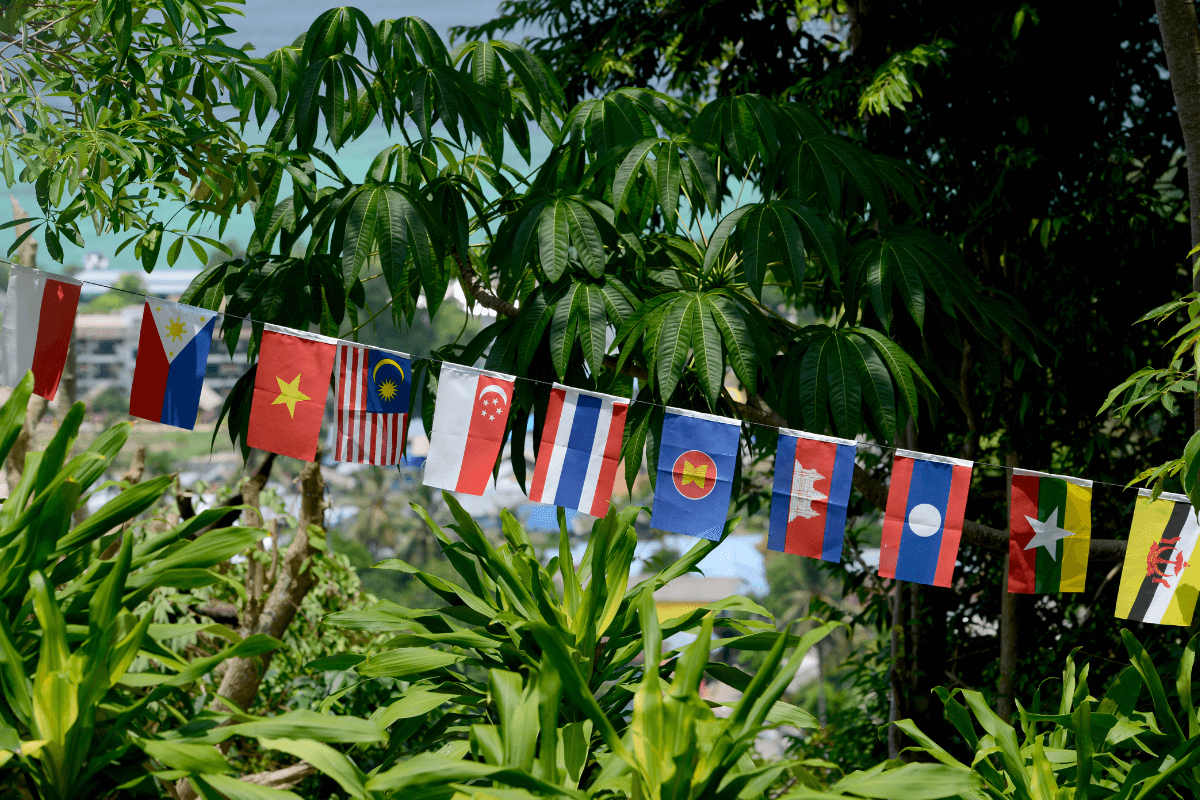 How Can ASEAN Leaders Empower Through Holistic Nation-Building?


