
IslamiCity
Listen PodCasts, Live Quran, Watch Videos @VideoHub

Israel announced on Sunday it would begin a daily "tactical pause" in military operations in three densely populated areas of Gaza-al‑Mawasi, Deir al‑Balah, and Gaza City-from 10 a.m. to 8 p.m. local time (07:00-17:00 GMT), ostensibly to facilitate humanitarian aid delivery in coordination with the UN and international organizations.
These targeted corridors also include designated secure routes operating from 6 a.m. to 11 p.m., intended to allow convoys carrying food, medicine, and essential supplies safe passage into the enclave.
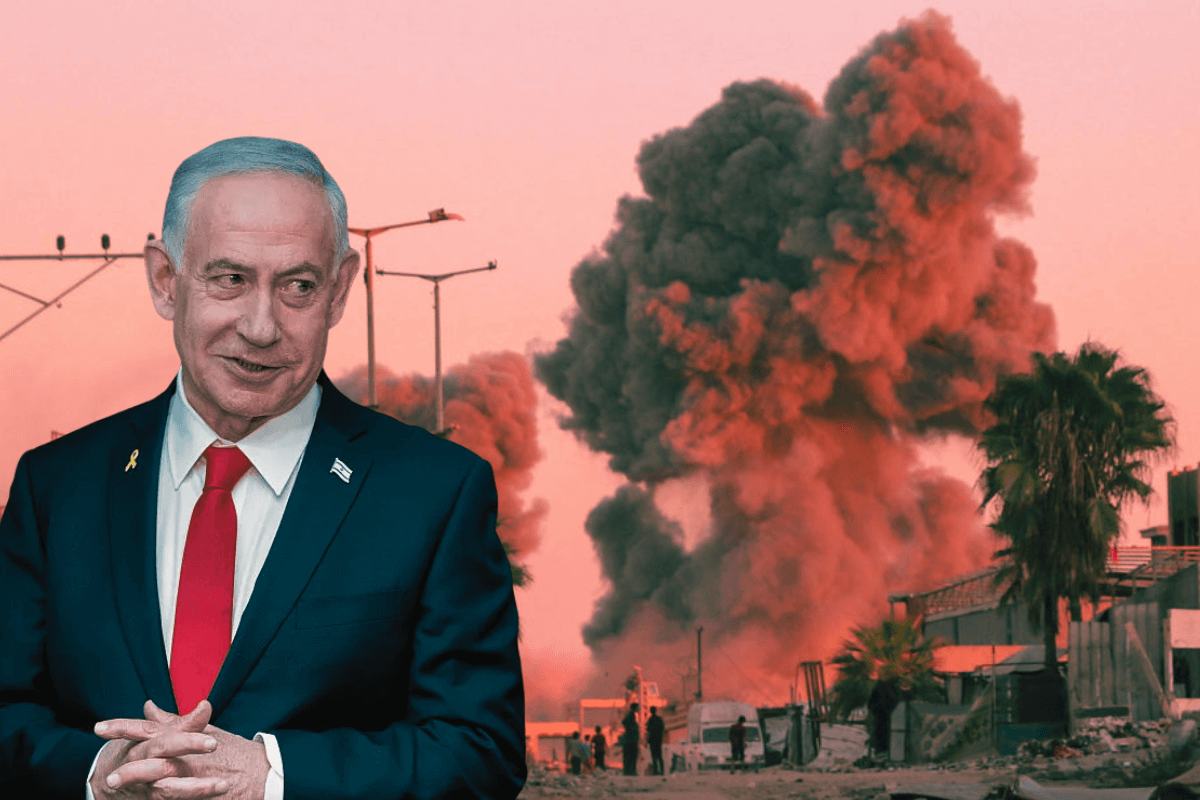
While Israel characterized the pauses as a necessary effort to address mounting hunger amid international outcry, attacks outside the pause zones have continued unabated. At least 53 Palestinians were killed in Israeli operations across Gaza since early Sunday, according to live updates from Al Jazeera.
In parallel, Gaza's Health Ministry reports that an additional six people died of malnutrition, bringing the total famine-related death toll since the conflict began to more than 130-including 85 children.
International aid agencies have warned of looming famine conditions. The World Food Programme has identified nearly half a million Gazans in famine-like circumstances, with urgent malnutrition treatment needed for tens of thousands-most of them women and children.
Since March, Israel imposed a near-total blockade on postsupply routes, resuming limited access only in May under strict controls. Aid entry remains significantly below UN estimates, with only a fraction of the 500-600 trucks per day required for basic survival entering Gaza.
Meanwhile, aid airdrops resumed-seven packages containing staples like flour, sugar, and canned food were dropped on Sunday by Israeli forces, after months of delay and mounting international pressure.
Critics argue that the humanitarian pauses are far too limited. The pause zones cover only a fraction of Gaza's territory, while bombardments continue elsewhere. Moreover, the timing overlaps with the hottest hours of the day, leaving many still vulnerable outside designated areas.
Humanitarian experts stress Israel still restricts essential aid transit, and that the continuation of strikes outside the pause zones undermines the stated purpose. The pause does nothing to halt ongoing civilian casualties, nor does it guarantee equitable distribution of aid to the most desperate populations.
Aid officials, including UN humanitarian chief Tom Fletcher, welcomed the announcement but emphasized the urgency of seizing the pause window effectively:
"Our teams on the ground ... will do all we can to reach as many starving people as we can in this window".
Residents of Gaza City and Deir al‑Balah expressed cautious relief-but many voiced concern over whether aid would actually reach them safely amid ongoing uncertainty and insecurity.
Though Israel frames the pause as a gesture of humanitarian responsibility, its critics argue it stops short of a ceasefire, with no guarantee of cessation beyond select zones.
Ceasefire negotiations remain stalled, and if broader or permanent suspension is not forthcoming, the humanitarian gains from these pauses-and the lives at stake-are likely to remain perilously limited.


 Crisis Deepens as Conflict Re-Ignites in Gaza and Lebanon, Threatening Regi...