
IslamiCity
Listen PodCasts, Live Quran, Watch Videos @VideoHub

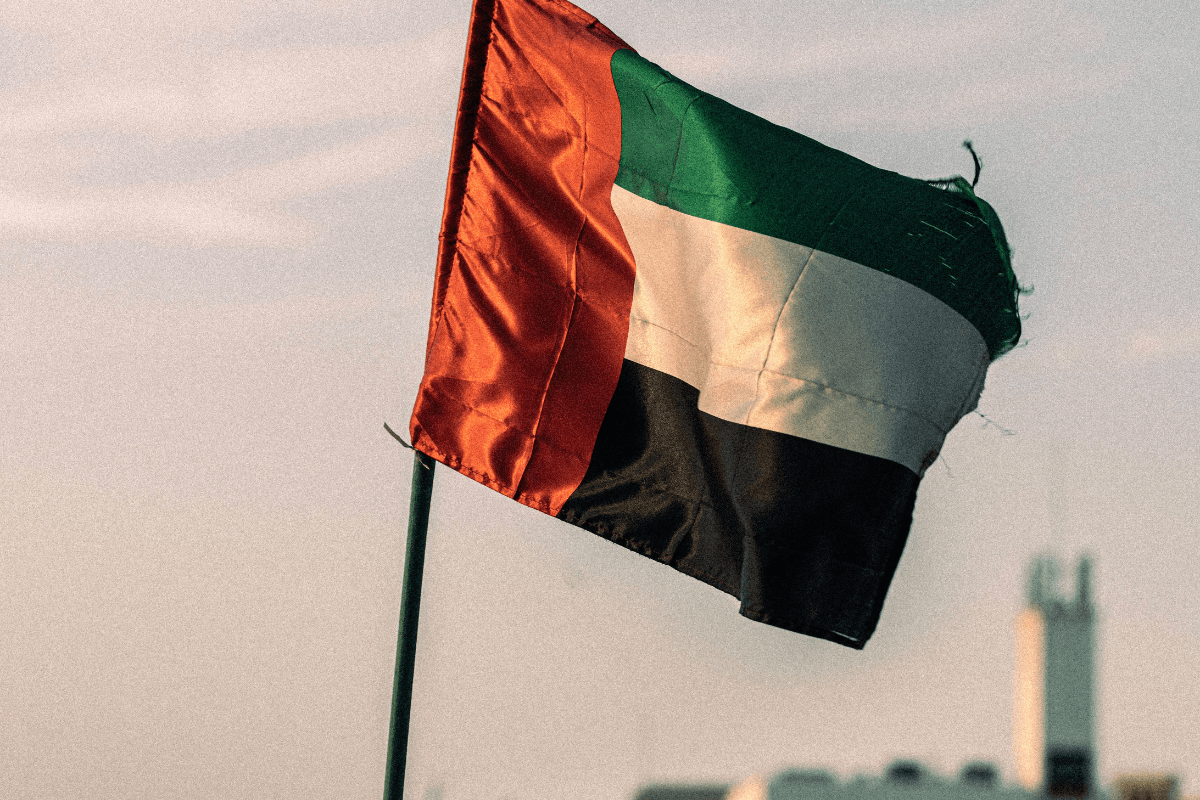
The United Arab Emirates has publicly ruled out participation in a proposed international security force for Gaza, dealing a significant blow to post-war planning efforts and highlighting the deep diplomatic challenges surrounding the besieged enclave's future.
The decision was announced by Dr. Anwar Gargash, a senior Emirati diplomat and presidential adviser, during a forum in Abu Dhabi. He stated that the UAE "does not yet see a clear framework for the stability force, and under such circumstances will probably not participate."
The proposed mission, part of broader international discussions, is intended to maintain security and oversee the disarmament of militant groups in Gaza following the conclusion of the current Israel-Hamas war. However, the UAE's stance reflects a growing consensus among Arab nations that the current blueprint is critically flawed.
A Decision Rooted in Strategic Concerns
According to analyses of the UAE's position, the refusal is based on several key issues:
Regional Repercussions and a Stalled Mission
The UAE's withdrawal from consideration is a major setback for the proposed force, which had been hoped to include contributions from other regional powers like Egypt, Qatar, and Turkey. The signal of regional caution from a key U.S. partner like the UAE could discourage other nations from joining unless the framework is substantially reworked.
Despite rejecting the security role, the UAE emphasized that it remains committed to humanitarian relief efforts in Gaza. This distinction highlights its desire to provide aid to Palestinian civilians while avoiding entanglement in a security mission it deems politically untenable.
The Path Forward
The UAE's decision places increased pressure on international negotiators to address fundamental political questions. Observers note that for any stabilization mission to gain regional support, several conditions must be met:
For now, the UAE has adopted a watch-and-wait posture. Its firm stance underscores that the "day after" in Gaza is not merely a logistical or security challenge, but a deeply complex political issue where the questions of sovereignty, statehood, and Palestinian self-determination remain non-negotiable for key regional actors.
 UAE deported a Palestinian engineer for refusing to drink Pepsi


