
IslamiCity
Listen PodCasts, Live Quran, Watch Videos @VideoHub

All praise belongs to Allah alone. We bear witness that none has the right to be worshiped or obeyed unconditionally except Him, and we bear witness that Muhammad ﷺ is His final Messenger. May Allah send His peace and blessings upon him, upon the prophets and messengers before him, upon his family and companions, and upon all who follow their path until the Day of Judgment.
As we approach the blessed month of Ramadan, Islam calls us to reflect on a struggle that is both deeply personal and uniquely central to our faith: the battle within. This is not a war against an external enemy, but a deliberate, disciplined struggle against the nafs, the lower self. It is a struggle that lies at the heart of spiritual growth and sincere devotion.
Islam presents a balanced and profound understanding of self-discipline unlike any other tradition. The goal is not self-destruction or denial of human nature, but training the self to prefer what is higher over what is lower, what is lasting over what is fleeting. True growth begins when a person learns to confront their own impulses with honesty and humility.
A powerful example of this inner struggle is found in the life of Umar ibn al-Khattab (رضي الله عنه). Despite his immense status as the Commander of the Believers, a leader who witnessed the rapid expansion of Islam and the fulfillment of historic victories, Umar once gathered the people only to remind them of his humble beginnings. When questioned about this seemingly unusual act, he explained that his nafs had begun to speak to him, praising his achievements. Rather than allowing pride to settle in his heart, Umar chose to humble himself publicly to put his nafs back in its place. This was not weakness. It was strength rooted in self-awareness.
The Quran frames this struggle with remarkable clarity. Allah tells us that He created the human soul in perfect proportion, granting it the ability to recognize both restraint and excess. Success, Allah tells us, belongs to the one who purifies the soul, while failure awaits the one who corrupts it. This purification is not merely individual. When people collectively fail to discipline their desires, arrogance and attachment to the world overtake them, leading to spiritual and moral collapse.
At its core, the struggle of the soul is a matter of preference. Do we prefer comfort over growth? Ease over effort? The life of this world over the life to come? Allah makes it clear that the one who restrains their soul out of awe for standing before Him will find Paradise as their final home.
This struggle also explains the condition of the Ummah today. The Prophet ﷺ warned that weakness would not come from a lack of numbers, but from loving the world too much and fearing death. When individuals allow their desires to dominate, that weakness spreads collectively. The enemy finds entry not because of strength, but because of unguarded hearts.
Shaytan, however, is not the primary target of this struggle. He is an external enemy who seeks openings within the soul. The real work lies in sealing those openings by training the nafs. When the self is disciplined, Shaytan's whispers no longer find a place to land. The heart becomes fortified through remembrance, restraint, and conscious choice.
Practically, this struggle is lived out in everyday decisions. It is choosing to wake up when the body calls for sleep. It is choosing silence when ego demands a response, and truth when fear urges quietness. It is forgiving when resentment feels justified, reconciling when pride resists, and giving when the soul clings tightly. These daily acts of intentional discomfort are the essence of spiritual training.
The love of this world is not limited to wealth. It includes anything that weighs the soul down and distracts it from its higher calling: ego, attachment, habits, even comfort itself. Just as physical strength is built by tearing and repairing muscle, spiritual strength is built by challenging the soul and allowing it to grow through restraint.
This is why the month of Shaban is so critical. Ramadan is not the training camp. Ramadan is the match itself. Shaban is the warm-up, the conditioning period. The Prophet ﷺ fasted in Shaban and increased his acts of worship in preparation for Ramadan. Every habit formed in Shaban carries into Ramadan, and every neglected flaw weakens it.
Each day, the believer should ask a simple but transformative question: How did I make myself uncomfortable today for the sake of Allah? In that discomfort lies growth. In that struggle lies freedom. And in that discipline lies the path to a Ramadan that is not merely endured, but lived with strength, presence, and purpose.
May Allah allow us to choose Him over ourselves, the hereafter over the dunya, and sincerity over comfort. May He purify our souls, accept our preparation, grant us an accepted Ramadan, and make the best day of our lives the day we meet Him. Ameen.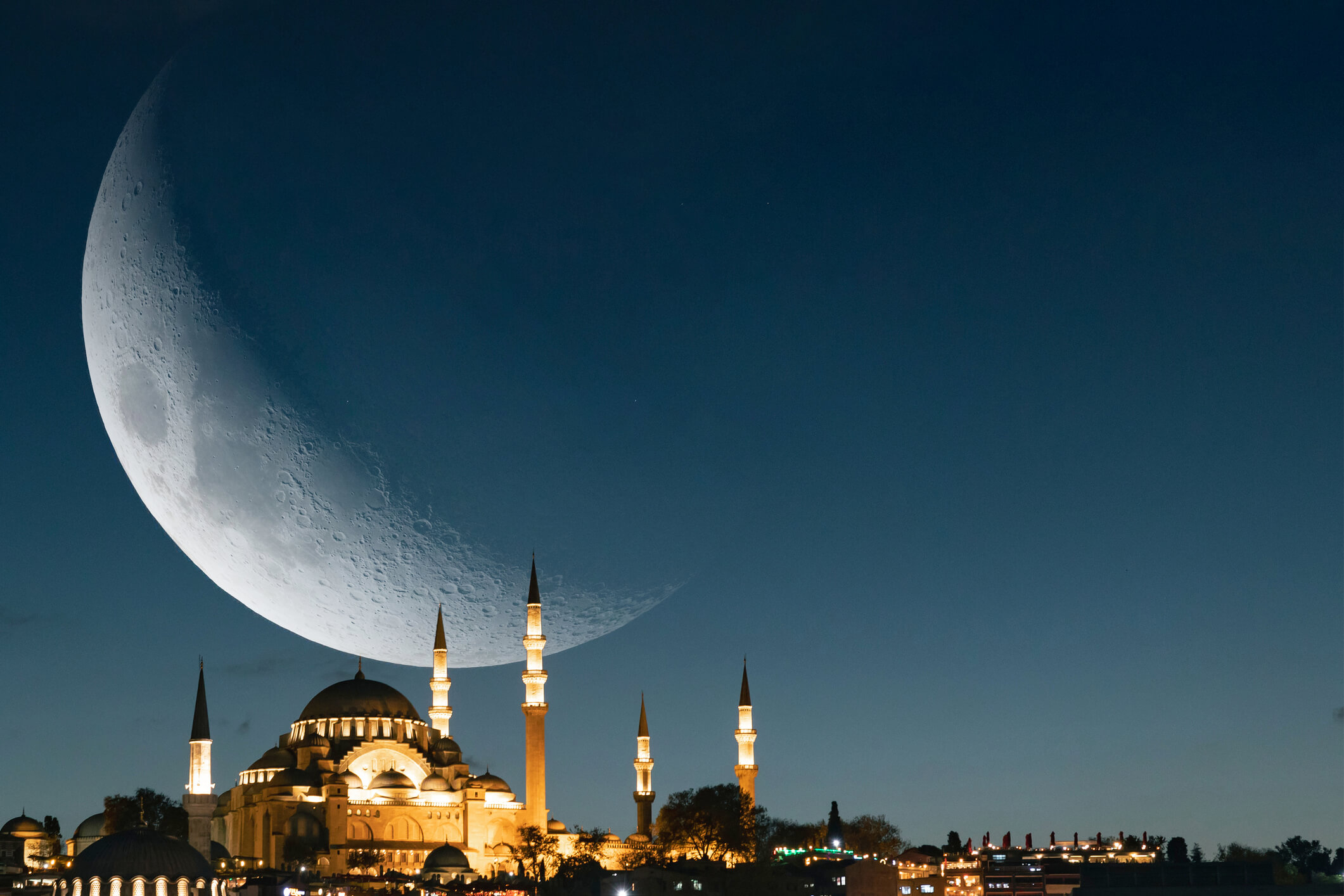 Fasting in Shaban to honor Ramadan


