
IslamiCity
Listen PodCasts, Live Quran, Watch Videos @VideoHub

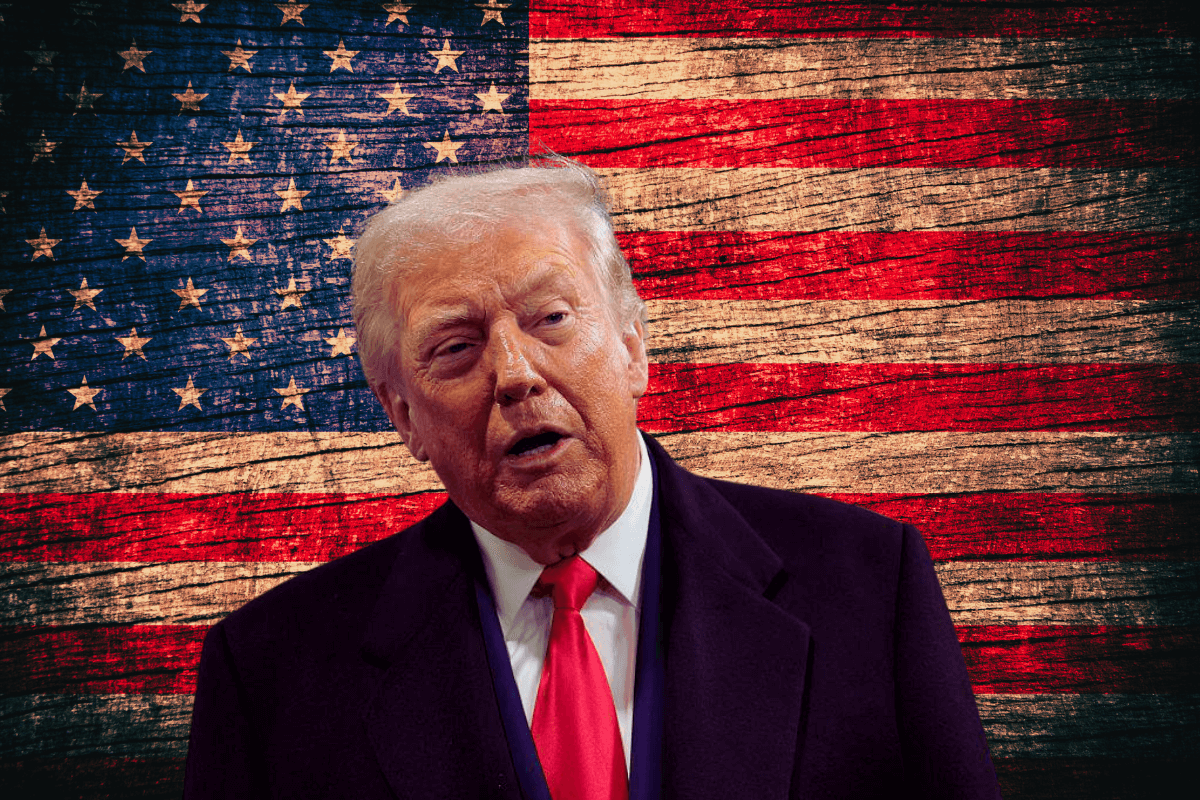
US President Donald Trump has warned that Iran must accept a new nuclear agreement or face escalating US military attacks, reviving fears of a wider regional war. Posting on social media, Trump said US forces were moving into position and described negotiations as Iran's last chance to avoid conflict.
Iran rejected the ultimatum, saying talks cannot take place under threat. The standoff comes as US naval assets are deployed near the Strait of Hormuz, while Tehran warns it would retaliate against US bases across the region if attacked.
Israel is planning a large, highly controlled facility in Rafah as the Gaza border crossing with Egypt prepares to reopen, sparking criticism from analysts and human rights groups. The site is expected to use biometric and facial recognition technology to monitor Palestinians entering or leaving the area.
Critics say the plan signals long-term Israeli military control rather than humanitarian relief, warning it could function as a mass surveillance and screening centre that discourages displaced Palestinians from returning home.
Syrian President Ahmed al-Sharaa met Russian President Vladimir Putin in Moscow as Russia seeks to retain its last military bases in Syria following the removal of Bashar al-Assad. Talks focused on Russia's air and naval facilities on Syria's Mediterranean coast.
Despite past hostility, both sides are taking a pragmatic approach, with Damascus balancing relations between Moscow and Western powers while Russia looks to preserve its strategic foothold in the region.
The UK government has announced a nationwide expansion of facial recognition technology for policing, triggering concern after reports linked the software to Israeli military surveillance used in Gaza. The system will be deployed through mobile police units to identify individuals on watchlists.
Rights groups warn the rollout risks undermining civil liberties and normalising mass surveillance, urging the government to reconsider partnerships with companies connected to alleged abuses.


 Why do Trump and the media treat non-Somali fraudsters differently?