
IslamiCity
Listen PodCasts, Live Quran, Watch Videos @VideoHub

In a recent episode of Soldier Speaks English, host Adel Raja sat down with UK-based activist and journalist Matt O. Brennan for a passionate discussion about the imprisonment of former Pakistani Prime Minister Imran Khan. What unfolded was not just an interview, but a symbolic act of protest-centered on a simple yet striking gesture: an eye patch worn in solidarity.
Brennan appeared on the show wearing an eye patch, explaining that it represented solidarity with Imran Khan, amid concerns about his health and treatment in detention. For Brennan, the gesture carried deeper meaning: "If Imran Khan is blind in one eye," he suggested, "then the whole country is blind in one eye."
He proposed a social media campaign encouraging supporters-both in Pakistan and across the diaspora-to wear an eye patch or cover one eye in photographs as a peaceful show of unity. The idea was simple but powerful: a visual metaphor for what supporters see as the silencing of democratic will.
A major theme of the discussion was the relationship between cricket and national identity in Pakistan. Imran Khan is not only a former prime minister but also a cricketing icon who led Pakistan to victory in the Cricket World Cup. His legacy in the sport is deeply woven into the country's cultural fabric.
Brennan and Raja questioned why current members of the Pakistan national cricket team have largely remained silent about Khan's situation. They contrasted this silence with statements of support from some international cricketers and members of the global cricketing community.
For Brennan, the issue was not merely about loyalty to a former captain but about democratic principle. He argued that when a leader widely perceived as popular is imprisoned, silence from prominent public figures can be interpreted as acquiescence. He stopped short of condemning individuals outright but urged athletes to find creative, peaceful ways to express solidarity-perhaps even symbolically during international tournaments like the ICC Men's T20 World Cup.
The conversation also touched on rulings and concerns raised by international bodies. Brennan referenced the United Nations Working Group on Arbitrary Detention, which has previously expressed views on due process in high-profile political detentions globally. He argued that if charges against Khan are legitimate, they should be tested transparently in an open court with full legal access and family visitation rights.
A particularly emotional aspect of the discussion centered on reports that Khan's family members, including his sons who reside in the United Kingdom, have faced difficulties visiting him. For Brennan, restricting family access raises broader questions about human rights standards and judicial transparency.
Brennan emphasized the importance of the Pakistani diaspora in amplifying calls for due process and civil liberties. He shared a personal anecdote from Bristol, where a shopkeeper recognized his eye patch as a sign of solidarity and expressed support. To him, this illustrated that concern for Khan's case extends beyond Pakistan's borders.
He encouraged peaceful civic engagement-social media campaigns, lawful protest, and public discussion-while explicitly rejecting violence. Drawing parallels to global advocacy campaigns for other high-profile detainees, he argued that sustained, nonviolent pressure can influence outcomes over time.
One of the central arguments presented in the interview was that the issue transcends any single individual. Brennan suggested that even those who do not support Khan politically should be concerned about the precedent set when a popular political figure is imprisoned under disputed circumstances. In his view, safeguarding democratic norms means defending the right to fair trial and open political competition for all.
At the same time, the discussion acknowledged the complexity of Pakistan's political environment-marked by civil-military tensions, polarized public opinion, and geopolitical pressures. Brennan expressed skepticism about Western governments' responses, implying that strategic interests often overshadow human rights advocacy in foreign policy decisions.
Throughout the interview, interruptions caused by flickering lights became an unintended metaphor-darkness and illumination alternating as the conversation continued. The symbolism was not lost on the participants, who interpreted it as reflective of the uncertainty surrounding Pakistan's political future.
In closing, Brennan reiterated his call for peaceful solidarity and for public figures-especially cricketers-to recognize their influence. Whether through an eye patch, a gesture, or a public statement, he argued that symbolic acts can carry substantial weight in moments of national tension.
The interview between Adel Raja and Matt O. Brennan captures a moment in Pakistan's ongoing political turbulence-where sport, symbolism, and questions of justice intersect. For supporters of Imran Khan, his detention represents more than a legal matter; it symbolizes a struggle over democratic legitimacy and national identity.
For critics and observers alike, the broader issue remains the same: how states handle dissent, due process, and political opposition speaks volumes about the health of their democratic institutions.
Whether the eye patch campaign gains traction or fades as a symbolic footnote, the conversation underscores a larger truth-public conscience, once stirred, rarely remains silent for long.
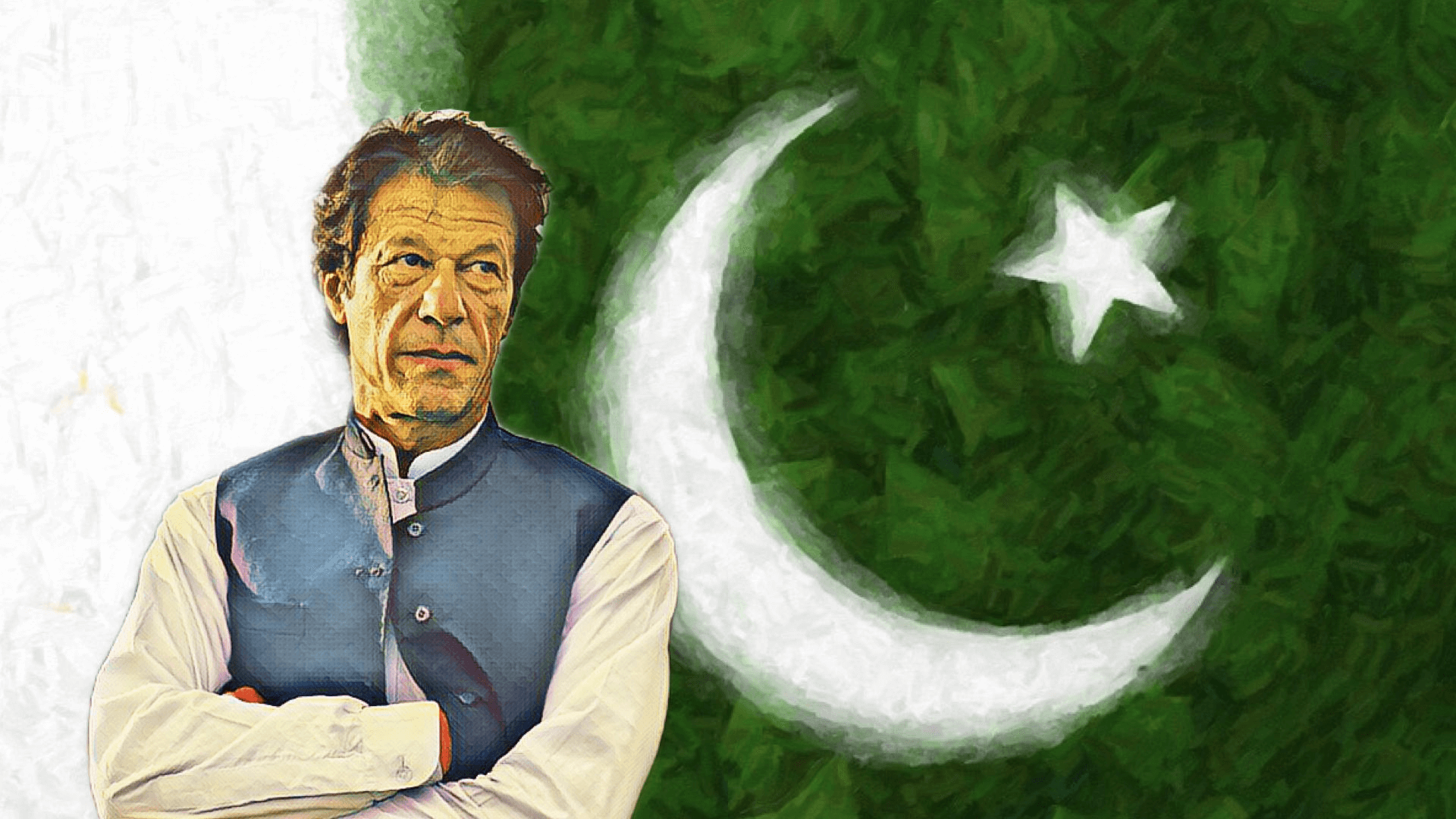 Free Imran Khan


