
IslamiCity
Listen PodCasts, Live Quran, Watch Videos @VideoHub

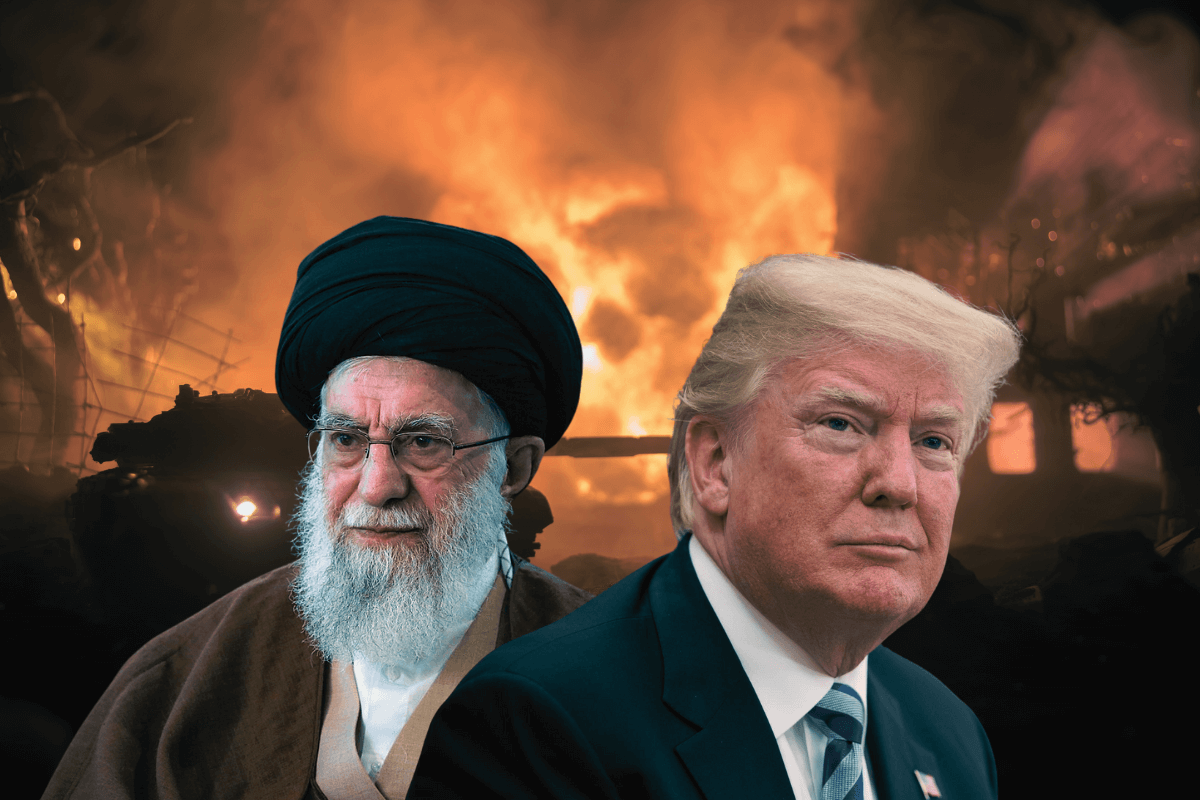
The killing of Ayatollah Ali Khamenei by Israeli and American forces was not merely the elimination of a head of state. It was the assassination of a religious authority whose influence extended far beyond Iran's political system. In doing so, the Trump administration appears to be ignorant or indifferent, about the broader religious and geopolitical consequences, effectively creating a martyr whose impact could reverberate across the Muslim world for years.
Khamenei was not simply a political ruler comparable to authoritarian figures like Saddam Hussein or Muammar Gaddafi. As Supreme Leader of Iran, his authority rested not only on constitutional power but as a source of inspiration in Shia Islam. For millions of Shia Muslims across Iran, Iraq, Lebanon, Pakistan, Afghanistan, Bahrain, Yemen, and the Gulf, he was a religious guide. His legal rulings shaped daily practice; his sermons and statements carried spiritual weight. Even among those who opposed Iran's domestic policies, many still recognized his religious stature.
Western media and political analysis seem oblivious of this dual role. Imagine if the Pope, who serves as a global spiritual authority, were also the head of a major state and was killed in a foreign military strike. The outrage would not be confined to one country; it would echo across continents. Similarly, Khamenei's death is being experienced by many as an attack not only on a government but on a religious figure.
The reaction has extended well beyond Iran's borders. Demonstrations have erupted in cities such as Karachi, Baghdad, Beirut, Lucknow, and Manama. Protests have targeted US diplomatic facilities in parts of South Asia and the Middle East. Hezbollah has explicitly linked its escalation against Israel to Khamenei's killing. These developments suggest that the backlash is not simply geopolitical maneuvering but also a response rooted in religious solidarity and historical grievance.
At the same time for some people, Khamenei was a polarizing figure. During his term the Iranian government carried out political repression, the silencing of dissent, and the imprisonment of activists. Many Iranians, both within the country and in the diaspora, were highly critical of the Iranian regime. Yet opposition to his governance does not necessarily translate into support for foreign assassination. For many, sovereignty and religious dignity remain separate concerns from domestic politics.
Strategically, the assumption may have been that removing one leader would weaken Iran. However, Iran's political system is institutional, with established succession mechanisms. What has also been created is a powerful narrative of martyrdom. In religious traditions, martyrdom can galvanize movements, unify factions, and deepen resolve.
The broader consequences are unfolding not only in Tehran but in the streets of major Muslim cities and along new fronts of regional conflict. Whether this act stabilizes or further destabilizes the region will depend on how both regional actors and global powers respond to the religious and political dimensions now in motion.


 Trump Escalates Iran Pressure as Gaza Crisis Deepens and US Backs Israeli A...