
IslamiCity
Listen PodCasts, Live Quran, Watch Videos @VideoHub

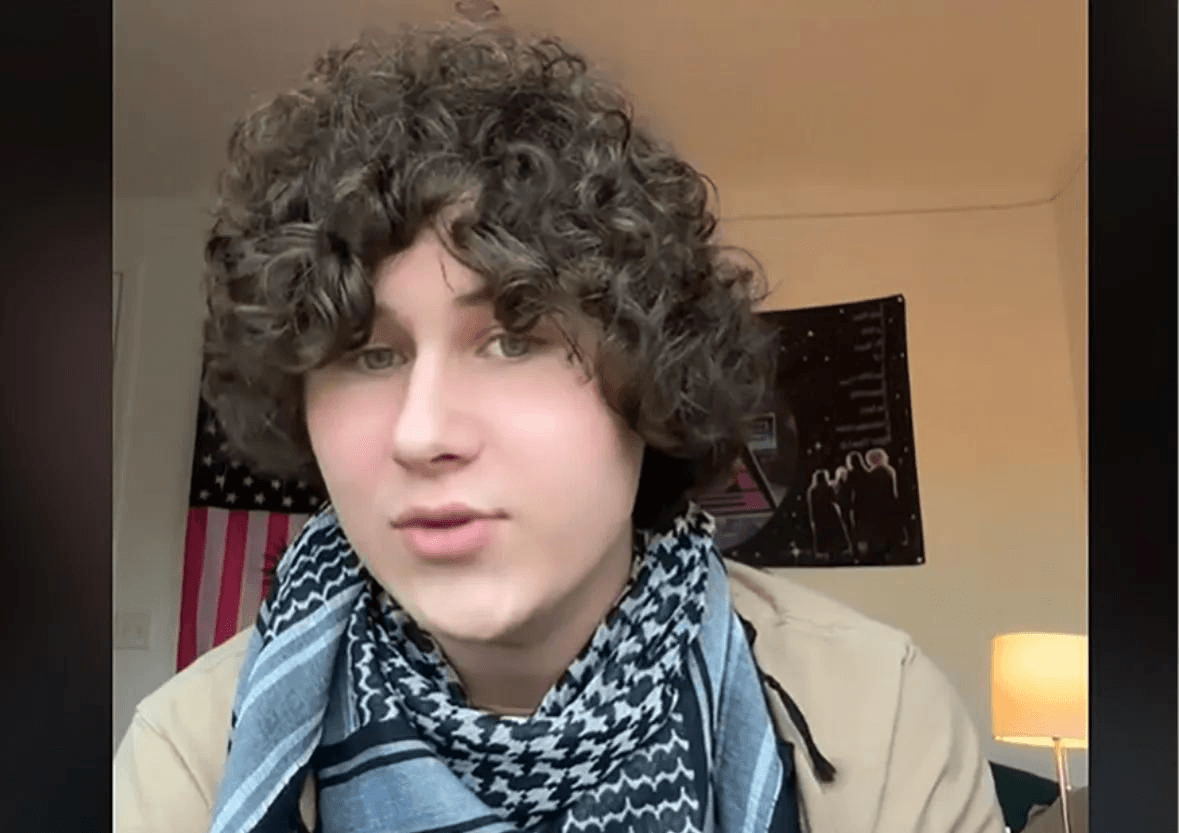
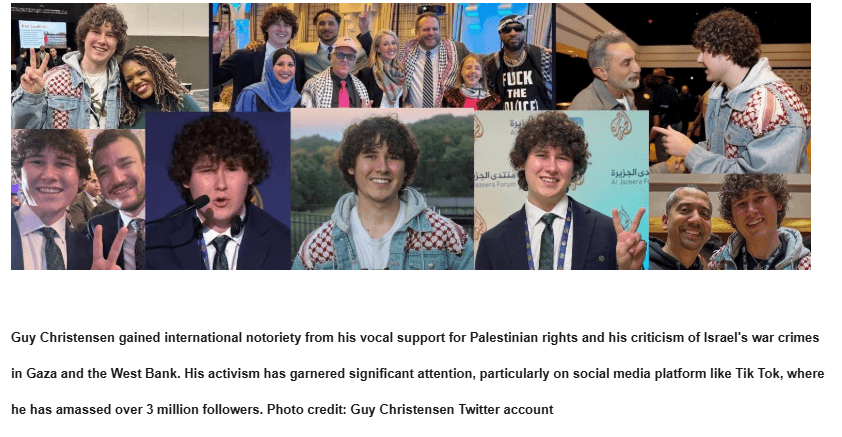
American activist Guy Christensen sparked widespread attention after posting a striking message on his X account: "I would sacrifice my life for a free Palestine."
His words raise a profound question: what drives a young American-one with no shared religion, language, or heritage with Palestinians-to make such a declaration? At a time when even some within the Islamic world express indifference toward Palestine and Al-Aqsa Mosque, voices like Christensen's stand out with unusual clarity and conviction.
Christensen, now 21, has built a massive following across social media, including millions on TikTok. His activism began at just 17 years old after watching videos documenting the devastation in Gaza. Deeply affected, he created content drawing parallels between the historical oppression of Native Americans and the ongoing plight of Palestinians.
His message quickly gained traction-but also backlash. Professional contacts accused him of supporting terrorism, and he claims that pro-Israel lobbying interests attempted to influence him, even offering financial incentives to shift his stance. Rather than deterring him, these experiences strengthened his resolve.
Christensen has since dedicated himself fully to raising awareness about Palestinian suffering, despite significant personal and financial costs. His accounts have been repeatedly taken down, yet he has consistently managed to rebuild his platform and continue his advocacy.
While enrolled at The Ohio State University, Christensen reportedly kept a low profile to protect his safety. However, his identity was eventually exposed through doxxing, with personal details about him and his family circulated online. This led to pressure on the university to take action.
The university ultimately expelled him, labeling him a "threat" on campus-an accusation that severely impacted his academic future by limiting his ability to enroll elsewhere.
In response, Christensen pursued legal action. With support from the ACLU of Ohio, he argued that his expulsion violated his constitutional rights. A federal judge later ruled that the university likely infringed upon his First and Fourteenth Amendment rights, ordering that references to his expulsion be removed from his academic record. The case remains ongoing.
Despite intense scrutiny, institutional consequences, and ongoing legal challenges, Christensen has remained steadfast. He continues to use his platform to advocate for Palestinian rights and to challenge dominant narratives surrounding the conflict.
His story reflects the growing role of independent voices in shaping global discourse-particularly among younger generations who rely on social media as a primary source of information and activism.
Whether viewed as controversial or courageous, Christensen's stance underscores a broader reality: solidarity with Palestine is no longer confined by geography, religion, or ethnicity.
Mahmoud El-Yousseph is a Palestinian freelance writer and retired U.S. Air Force veteran. He writes on U.S. foreign policy, Middle East affairs, and justice.


 British Palestinian Dr. Rahma Aladwan: The UK Is Under Zionist Occupation