
IslamiCity
Listen PodCasts, Live Quran, Watch Videos @VideoHub

In modern geopolitics, undeclared wars have become not the exception, but the norm. Military engagements increasingly occur without formal declarations, without clearly defined objectives, and often without meaningful public debate. This quiet shift has profound implications for democratic accountability and the concept of a free society.
Preemptive war-often framed as a defensive necessity-has evolved into a standard instrument of statecraft. Governments justify such actions in the name of national security, yet these conflicts frequently lack transparency and legal clarity. Over time, citizens have grown accustomed to this pattern, accepting the use of force as an inevitable feature of global politics rather than questioning its legitimacy.
This normalization dulls public scrutiny. When military action becomes routine, the threshold for its use lowers, and the moral and legal debates that once accompanied war fade into the background.
At the heart of a truly free society lies a fundamental principle: the rejection of the initiation of force. This idea, rooted in classical liberal thought, asserts that violence is only justifiable in defense-not as a tool for political or strategic gain.
Understanding and embracing this principle is essential. Without it, governments can expand their power under the guise of security, engaging in conflicts that may not reflect the will or best interests of the people.
A challenging question emerges: what does it mean to love one's country?
Is patriotism blind loyalty to government actions, or does it sometimes require resistance? Thinkers like Thomas Jefferson argued that governments derive their legitimacy from the consent of the governed-and that when they fail, they may need to be altered or abolished.
This perspective reframes dissent not as disloyalty, but as a form of higher patriotism. It suggests that holding power accountable is essential to preserving freedom.
The idea that "the best government is that which governs least" reflects a deep skepticism of concentrated power. When governments expand their authority-especially through military force-they risk undermining the liberties they are meant to protect.
History shows that war often leads to increased surveillance, reduced civil liberties, and a consolidation of executive power. These consequences rarely disappear when the conflict ends.
In times of political tension, speaking truth can become risky. The notion that "it is dangerous to be right when the government is wrong" highlights the pressure individuals may face when challenging official narratives.
Yet, such challenges are vital. Without them, errors go uncorrected, and abuses of power persist.
The ultimate question is whether societies are willing to confront these realities. Is it better to accept security at the cost of freedom, or to risk instability in defense of liberty?
Some argue that freedom's greatest danger arises not from external threats, but from internal complacency-the willingness to accept questionable actions for the sake of convenience or fear.
Undeclared wars and the normalization of force represent a critical challenge to democratic ideals. They blur the lines between defense and aggression, weaken accountability, and shift power away from the public.
A free society depends on an informed and engaged citizenry-one that questions, debates, and, when necessary, resists. The path forward requires not only awareness, but a renewed commitment to the principles that define liberty itself.
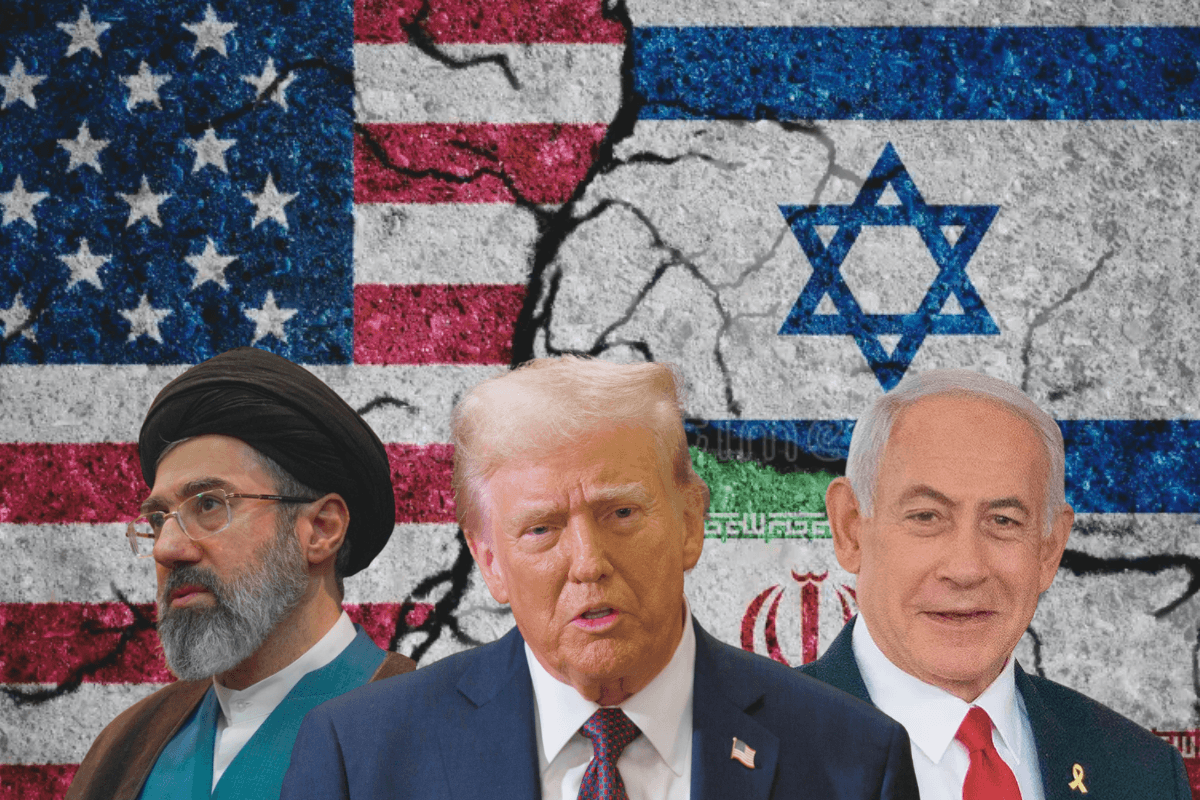 War on Humanity: America-Israel vs. Iran


