
IslamiCity
Listen PodCasts, Live Quran, Watch Videos @VideoHub

Family is one of the greatest blessings a person can have.
It is meant to be a place of mercy, comfort, and belonging. In Islam, family ties are not light matters-they are sacred, protected, and deeply rewarded when upheld with sincerity.
But for many people today, family does not always feel like safety.
Sometimes it feels like pressure.
Sometimes it feels like guilt.
And sometimes it feels like quiet emotional pain that no one really acknowledges.
Yet when someone tries to speak about that pain, they are often told the same thing:
"Be patient."
"It's your family."
"This is your test."
And slowly, a serious misunderstanding begins to form.
We start calling everything sabr.
Sabr (patience) is one of the most powerful qualities in Islam. It is mentioned repeatedly in the Qur'an as a source of strength and closeness to Allah.
Allah says:
"Indeed, Allah is with the patient."
(Surah Al-Baqarah 2:153)
But sabr in Islam is not meant to mean silent endurance of harm without boundaries.
It does not mean accepting ظلم (oppression).
It does not mean ignoring emotional or psychological harm.
And it does not mean losing your dignity to keep others comfortable.
Islam distinguishes between patience and accepting injustice.
Allah clearly says:
"Allah does not love the wrongdoers."
(Surah Aal-E-Imran 3:57)
So the question becomes uncomfortable but necessary:
If harm is happening inside family relationships...
and we tell people to just "be patient"...
are we truly teaching sabr?
Or are we normalising harm in the name of religion?
One of the most sensitive issues in Muslim communities today is how religious language is used in family conflict.
Phrases like:
These statements may sometimes come from good intentions. But they can also create guilt instead of clarity.
Islam was never meant to be used as emotional pressure.
Allah says:
"Allah intends for you ease and does not intend for you hardship."
(Surah Al-Baqarah 2:185)
When religion is used to silence pain rather than address it with wisdom, it loses its balance. Islam is a religion of mercy, justice, and emotional intelligence-not suppression.
Maintaining family ties (silat ar-rahm) is a major principle in Islam. The Prophet Muhammad, peace be upon him, strongly warned against قطع (cutting off family ties).
He said:
"The one who قطع ties of kinship will not enter Paradise."
(Sahih al-Bukhari)
However, Islamic scholars explain that maintaining ties does not mean:
Instead, it means maintaining a level of connection that preserves dignity, respect, and faith-even if distance is necessary.
Islam does not demand emotional self-destruction in the name of family.
Many people feel guilty when they step back from toxic family dynamics. They fear they are committing a sin or breaking Islamic principles.
But there is an important distinction:
Cutting off ties with hatred is discouraged.
Creating boundaries to protect your well-being is not.
Even the Prophet Muhammad, peace be upon him, taught justice alongside mercy.
He said:
"Help your brother, whether he is an oppressor or oppressed."
(Sahih al-Bukhari)
When asked how to help the oppressor, he said:
"By stopping him from oppression."
This shows that Islam does not require you to remain silent in the face of harm-even if it comes from family.
Perhaps the issue is not whether we should maintain family ties.
Perhaps the real question is:
Are we maintaining them in a way that pleases Allah?
Or are we maintaining appearances while ignoring emotional harm?
There is a difference between patience and silence.
There is a difference between mercy and enabling harm.
There is a difference between family connection and emotional neglect.
Islam calls for balance-not extremes.
Islam does not ask you to abandon your family.
But it also does not ask you to abandon yourself.
It allows you to:
This is not weakness. It is wisdom.
It is understanding that faith is not just about relationships with others-but also about justice towards your own self.
If you have ever felt guilty for stepping back, for needing space, or for questioning unhealthy dynamics-pause and reflect.
Allah is Al-'Adl, the Most Just.
He sees what others may ignore.
He understands what hearts carry silently.
Islam was not revealed to create emotional burden.
It was revealed to bring clarity, mercy, and justice into human relationships.
So yes-family ties are sacred.
But so is your dignity.


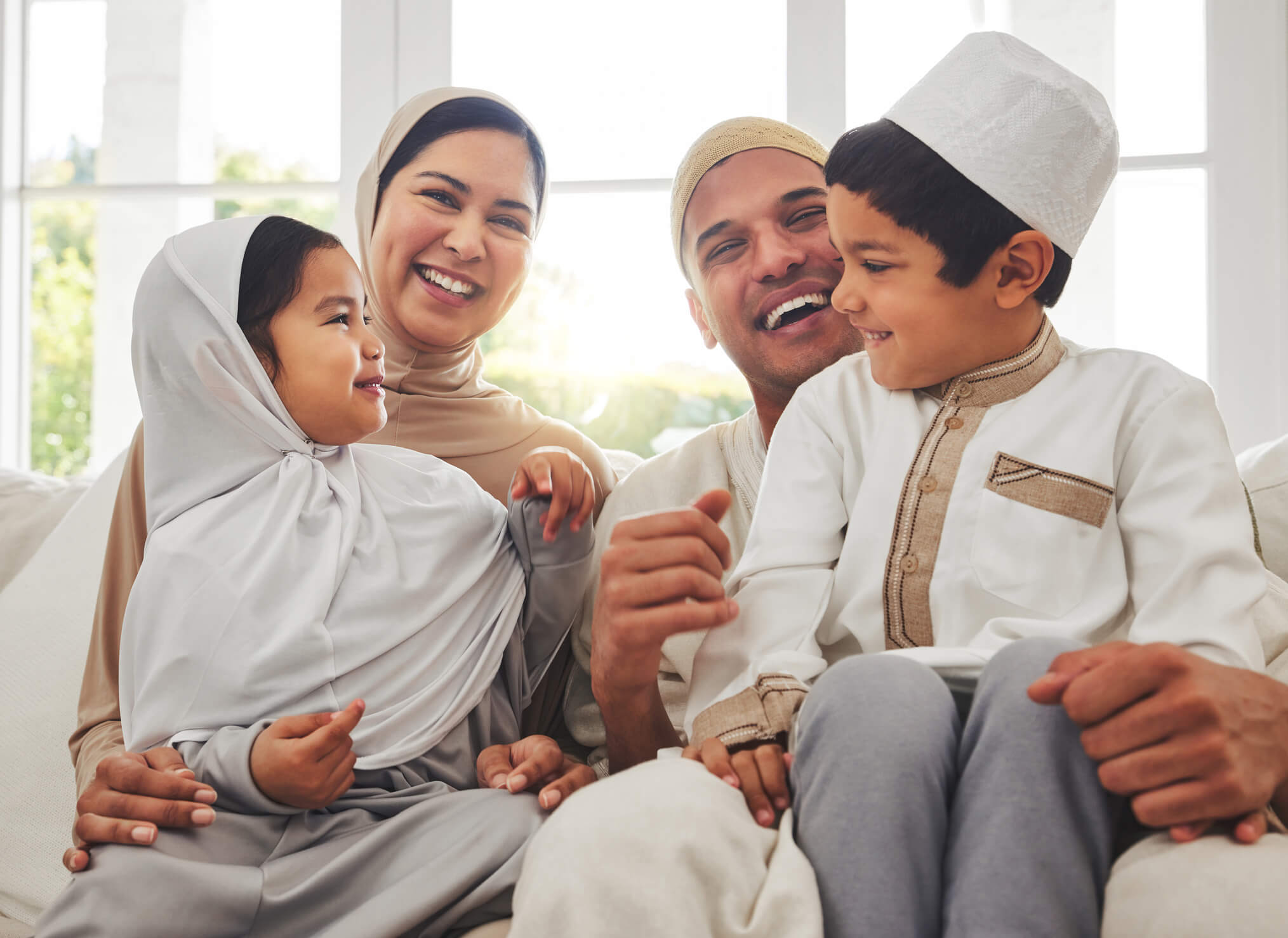 Guiding Little Hearts: Islamic Parenting Strategies for Spiritual Growth