
IslamiCity
Listen PodCasts, Live Quran, Watch Videos @VideoHub

Every Muslim believes in Allah.
We believe that He is the Creator of the heavens and the earth. We believe that He is All-Knowing, All-Wise, and Most Merciful. We believe that nothing happens except by His permission and that His knowledge encompasses everything.
Yet despite these beliefs, many of us find ourselves struggling when life becomes difficult.
When we lose a job, face financial hardship, experience a health crisis, or endure the pain of a broken relationship, our hearts become filled with anxiety and uncertainty. We question the future. We worry about outcomes. Sometimes we even wonder why Allah allowed certain events to happen.
This raises an important question:
If we truly believe in Allah, why do we sometimes struggle to trust Him?
The answer lies in understanding the difference between believing in Allah and relying upon Him.
Many people assume that belief automatically leads to trust. While the two are connected, they are not identical. A person may believe that Allah is Ar-Razzaq, the Provider, yet still panic when their income decreases.
A person may believe that Allah is Al-Hakeem, the Most Wise, yet become frustrated when events do not unfold according to their plans. A person may believe that Allah answers du'a, yet lose hope when the answer is delayed.
The issue is not always a lack of faith. Often, it is a weakness in tawakkul-true reliance upon Allah. Tawakkul is not merely believing that Allah exists.
It is believing that Allah's wisdom is superior to our own, His plan is better than our plan, and His timing is better than our timing.
It is easy to trust Allah when life is going well. When our goals are being achieved, our health is strong, and our circumstances are favorable, tawakkul can seem effortless. The real test comes when life takes an unexpected turn. When the promotion goes to someone else.
When the marriage proposal falls through. When the diagnosis is serious. When the future becomes uncertain. It is during these moments that reliance upon Allah moves from theory to reality.
Anyone can say, "I trust Allah."
The question is whether we can still say it when we do not understand what Allah is doing in our lives.
One of the greatest struggles of modern life is our desire for certainty.
We want to know why things happen. We want immediate answers. We want to see the outcome before we commit to the journey.
Yet faith often requires the opposite. Faith requires trusting Allah even when we cannot see the full picture.
Imagine a child receiving medical treatment from a parent or doctor. The child may not understand why a painful procedure is necessary. From the child's perspective, it may appear harmful. Yet the parent understands what the child cannot.
The difference between our knowledge and Allah's knowledge is infinitely greater. Allah sees what we do not see. He knows what we do not know. He understands the consequences of every path before we take a single step. As believers, we are asked to trust the One whose knowledge has no limits.
Many of us are comfortable trusting Allah when His plan aligns with our own. The challenge comes when it does not. Perhaps you prayed for a particular opportunity and the door closed.
Perhaps you made du'a for years and the answer has not yet arrived. Perhaps you planned a certain future for yourself and everything changed unexpectedly. In these moments, Shaytan whispers that Allah has forgotten you or that your prayers are not being heard.
Yet the reality may be exactly the opposite.
Sometimes Allah delays because He is preparing something better. Sometimes Allah withholds because He is protecting us. Sometimes Allah redirects us because the path we desire would ultimately harm us. What appears to be a loss may be a mercy that we simply cannot recognize yet.
A common misunderstanding is that tawakkul means sitting back and doing nothing. Islam does not teach passivity. The Prophet ﷺ taught us to take action while placing our trust in Allah. We work, but we trust Allah for provision. We seek treatment, but we trust Allah for healing. We plan, but we trust Allah for the outcome. True tawakkul combines effort with surrender.
We fulfill our responsibilities while recognizing that success ultimately comes from Allah alone. This balance protects us from arrogance when things go well and despair when things go poorly.
One of the greatest blessings of tawakkul is peace. Not because every problem disappears. Not because every hardship ends immediately. But because the heart finds rest in knowing that Allah is in control. The believer understands that nothing missed them except what Allah decreed would miss them, and nothing reached them except what Allah decreed would reach them. This certainty transforms how we view life's challenges.
Instead of asking, "Why is this happening to me?" We begin asking, "What is Allah teaching me through this?" Instead of focusing only on what was lost, we focus on what Allah may be preparing. Instead of fearing every uncertainty, we remember that our future remains in the hands of the Most Merciful.
The highest form of tawakkul is not trusting Allah because circumstances are favorable. It is trusting Allah despite unfavorable circumstances. It is believing in His mercy during hardship. Believing in His wisdom during confusion. Believing in His promises during uncertainty. And believing in His plan when our own plans have fallen apart. This does not mean we never feel sadness or fear. Even the Prophets experienced grief and difficulty.
Rather, it means that our emotions do not sever our connection to Allah. We continue to turn to Him. We continue to rely upon Him. We continue to believe that whatever He chooses for us is better than what we would have chosen for ourselves.
Perhaps the question is not whether we believe in Allah. Most Muslims do. Perhaps the deeper question is:
Do we trust Him enough to remain at peace when life unfolds differently than we expected?
Tawakkul is not tested during comfort. It is tested during hardship. And every trial presents an opportunity to strengthen that trust. The believer's peace does not come from knowing what tomorrow holds. It comes from knowing that tomorrow belongs to Allah.
May Allah grant us hearts that rely upon Him completely, trust His wisdom sincerely, and remain steadfast through every test. Ameen.


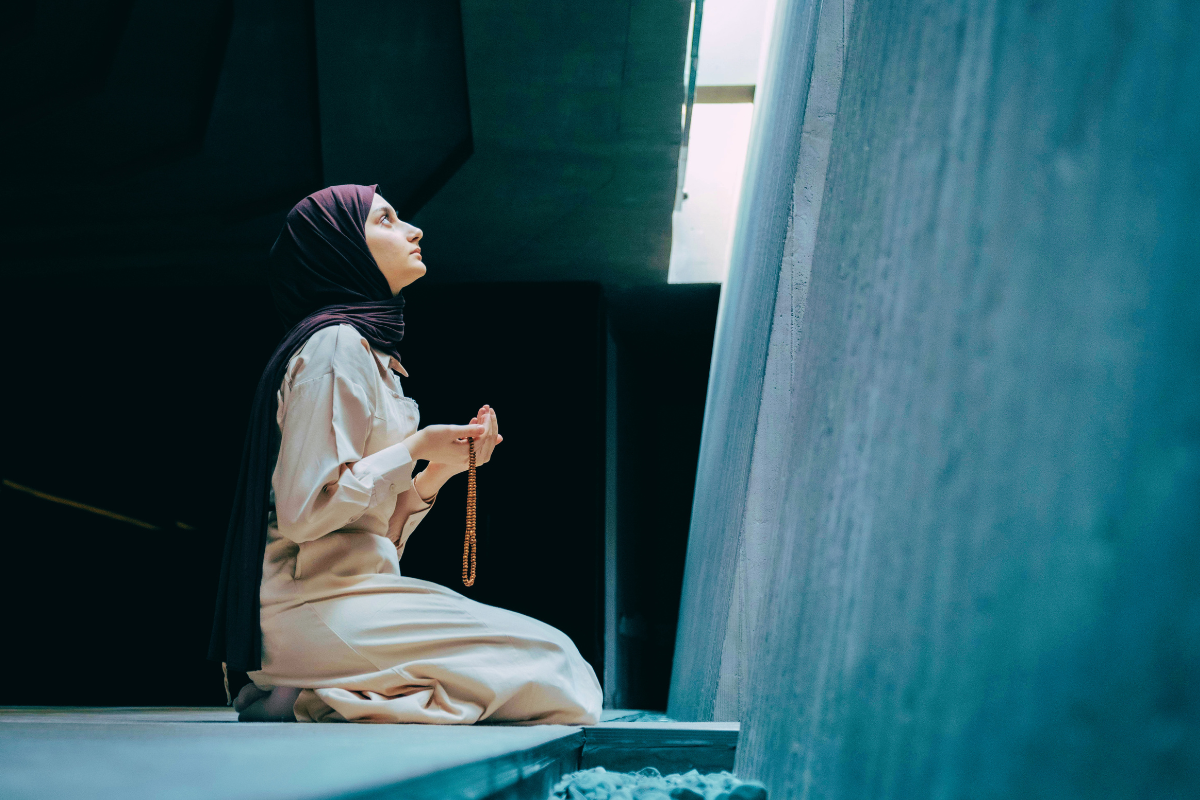 When the Heart Hurts, Return to Allah: Healing Through Surah al-fatiha