
IslamiCity
Listen PodCasts, Live Quran, Watch Videos @VideoHub

On 4 July 1187, the Muslim world witnessed one of the most significant military victories in its history: the Battle of Hattin. Fought near the twin hills known as the Horns of Hattin, overlooking the Sea of Galilee, the battle transformed the political landscape of the Holy Land and paved the way for the liberation of Jerusalem later that same year.
The anniversary of the Battle of Hattin coincides with the American celebration of Independence Day. While separated by nearly six centuries and arising from very different historical circumstances, both events are remembered as moments in which a people sought freedom from external domination. For Americans, the Fourth of July marks the birth of a nation founded on independence from British rule. For Muslims, 4 July 1187 marks the decisive victory at Hattin that paved the way for the liberation of Jerusalem and the restoration of Muslim stewardship over one of Islam's holiest cities from Crusader forces originating in Western Europe.
The Muslim forces were led by Ṣalaḥ al-Din Yusuf ibn ayyub, known in the West as Saladin, who had spent years uniting the Muslim lands of Egypt, Syria, and surrounding regions after decades of division. Opposing him was the Crusader army of the Kingdom of Jerusalem under King Guy of Lusignan.
The trigger for this event came when Raynald of Chatillon, a powerful Crusader lord, attacked a Muslim caravan despite an existing truce with Saladin. Historical accounts indicate that the caravan included merchants and pilgrims traveling peacefully through the region. Saladin demanded compensation and justice for this violation, but Raynald refused. Angered by the breach of trust and the attack on civilians, Saladin reportedly vowed to punish Raynald personally.
In the summer of 1187, Saladin acted with patience and strategy. He drew the Crusader army away from reliable water sources during the intense heat of Galilee. Muslim cavalry and archers harassed the exhausted Crusader forces as they marched toward Tiberias. By the morning of 4 July, the Crusader army was dehydrated, disorganized, and surrounded near the Horns of Hattin.
The result was a decisive Muslim victory. Most of the Crusader army was killed or captured, including many leading nobles and commanders. The defeat effectively broke the military power of the Crusader Kingdom.
Only a few months later, on 2 October 1187, Saladin entered Jerusalem after negotiating its surrender, ending nearly ninety years of Crusader rule. His treatment of the city's inhabitants contrasted sharply with the massacre that followed the Crusader conquest of Jerusalem in 1099.
The Battle of Hattin remains more than a military triumph. It is a reminder of the power of unity, strategic leadership, justice, and moral purpose. For American Muslims, its anniversary offers a meaningful Fourth of July reflection: true freedom is not only political independence, but the pursuit of justice, dignity, and responsible stewardship.
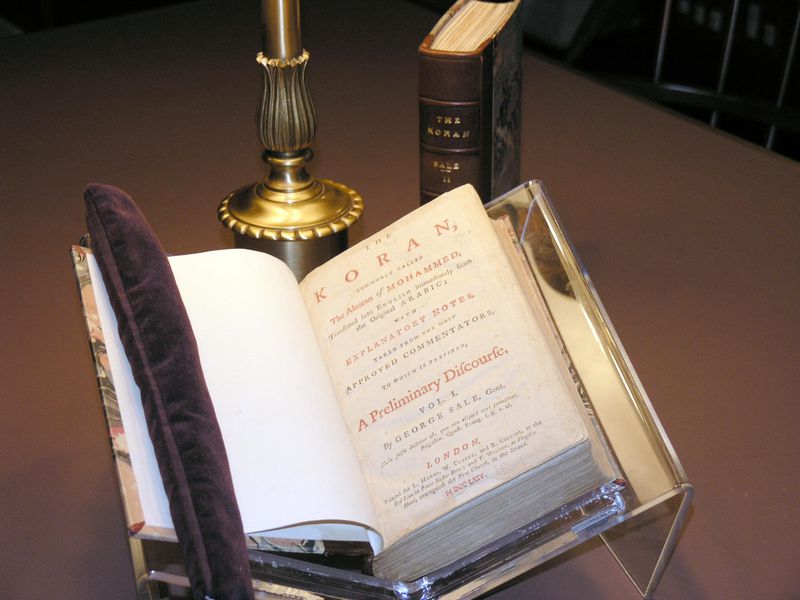 Why Thomas Jefferson Owned a Quran


