
IslamiCity
Listen PodCasts, Live Quran, Watch Videos @VideoHub

There is a question many young Muslims quietly struggle with: What if I am not ready to get married yet?
For some, the pressure begins in their early twenties. At family gatherings, relatives ask when they are getting married. Parents worry that their children are getting older. Friends begin settling down, sharing wedding photographs, and starting families. Before long, marriage can feel less like a personal commitment and more like a deadline that everyone expects you to meet.
In many Muslim communities, marrying young is encouraged. Marriage is viewed as a beautiful Sunnah, a means of protecting one's faith, building a family, and finding companionship. These are important values.
However, somewhere along the way, encouragement can turn into pressure. Young Muslims may begin to feel that delaying marriage is a failure, that being unmarried at a certain age is something to be embarrassed about, or that they should accept a proposal simply because a suitable opportunity has arrived.
But perhaps there is a question we should be asking more often: Are we so concerned about when our children get married that we have forgotten to ask whom they are marrying?
The Qur'an describes marriage as a source of tranquillity, love, and mercy:
"And among His signs is that He created for you spouses from among yourselves so that you may find comfort in them. And He has placed between you compassion and mercy. Surely in this are signs for people who reflect."
Notice what this verse emphasizes. It does not mention wedding timelines, social expectations, or the age by which someone should be married. It speaks about the quality of the relationship: comfort, compassion, and mercy.
Yet many young Muslims grow up hearing more about the importance of getting married than about the qualities that make a marriage healthy. They are encouraged to find someone, but are they equally encouraged to understand compatibility, emotional maturity, communication, financial responsibility, and shared expectations?
A wedding may take a day to arrange, but a marriage is a commitment that can shape the rest of someone's life.
There is nothing inherently wrong with marrying young. For some people, it is a wonderful decision, and they are emotionally, spiritually, and practically prepared for it. But being young does not automatically make someone ready for marriage, just as being older does not automatically make someone unsuitable.
The problem begins when age becomes more important than readiness.
Family involvement can be a blessing. Parents may recognize qualities that their children overlook, offer valuable experience, and genuinely want to see them settled and happy.
However, good intentions do not always lead to good outcomes.
Sometimes, a young person may feel pressured to accept a proposal because their parents are worried about their age. Others may be told that they are becoming too selective, that they should not expect too much, or that finding someone who shares their religious values should be enough.
Consider someone who is in their late twenties and still unmarried. They may have a stable career, personal goals, and a desire to find a spouse with whom they can build a meaningful Islamic life. Yet every family gathering becomes another reminder that they are not married.
Eventually, the person may begin questioning their own standards. Perhaps they should overlook certain differences. Perhaps they should stop asking difficult questions. Perhaps they should simply say yes before another opportunity disappears.
But marriage should not be a decision made out of fear of disappointing relatives or being left behind.
Islam encourages marriage, but it also recognizes the importance of consent. A person should not be forced into a marriage simply because their family believes the timing is right.
Of course, faith is central. Shared religious values can provide a foundation for a marriage, influence how children are raised, and help couples navigate life's difficulties.
But compatibility does not end with knowing that two people are Muslim.
Two people may pray, fast, and identify with the same religious traditions, yet have very different expectations of marriage.
One may believe that financial decisions should always be made jointly, while the other expects one spouse to have complete control. One may want children immediately, while the other wants to wait. One may expect to live with extended family, while the other values having an independent household.
There may also be differences in communication, emotional expression, conflict resolution, career ambitions, and expectations surrounding household responsibilities.
These are not necessarily small matters.
A person may appear religious during the process of getting to know someone, but what happens when disagreements arise? How do they treat people when they are frustrated? Can they apologize? Do they respect boundaries? Are they willing to take responsibility for their mistakes?
Religious compatibility should be reflected in character, not simply in religious appearance.
The Prophet Muhammad (peace be upon him) said:
"When someone whose religion and character you are pleased with comes to you seeking marriage, then marry him."
This hadith highlights both religion and character. It is a reminder that outward religious identity alone should not be the only consideration when evaluating a potential spouse.
A person needs to consider not only whether someone appears suitable during a few meetings, but also whether their values, behaviour, and expectations are compatible with the life they hope to build.
Young Muslims, particularly those who have reached an age when relatives expect them to be married, may feel guilty for having standards.
They may hesitate to ask about finances, family responsibilities, future plans, religious expectations, or emotional maturity because they do not want to appear demanding.
Some are even told that they should lower their expectations because nobody is perfect.
That statement is true, but it can also be misunderstood.
Nobody is perfect, and expecting a spouse without flaws is unrealistic. However, recognizing someone's imperfections is different from ignoring serious incompatibilities.
There is a difference between rejecting someone because they do not meet an unrealistic ideal and declining a proposal because there are fundamental differences in values, character, or life expectations.
A person should not expect a spouse who never makes mistakes. They should, however, look for someone who is willing to communicate, grow, take responsibility, and work through difficulties.
Being selective about character, faith, respect, and shared responsibilities is not necessarily being unreasonable. It can be part of approaching marriage responsibly.
A person may discover that the individual they married does not share their understanding of partnership. They may struggle with communication, experience emotional distance, or find themselves unable to agree on fundamental decisions.
This does not mean that every early marriage is unsuccessful or that marrying later guarantees happiness. Couples of every age can build beautiful marriages, and couples of every age can experience serious difficulties.
But it does raise an important point: Getting married quickly does not necessarily mean getting married wisely.
The consequences of an unsuitable marriage can extend beyond the couple. Children, extended families, and entire households may be affected when a relationship becomes deeply strained.
Divorce is not something Muslims should treat as shameful when a marriage cannot continue, but neither should we ignore the importance of making thoughtful decisions before entering one.
Perhaps our communities need to spend less time asking unmarried Muslims why they are still single and more time preparing young people for what marriage actually requires.
But there is an important distinction between delaying marriage irresponsibly and taking time to make a considered decision.
Tawakkul does not mean abandoning judgment. Muslims are encouraged to make responsible decisions, seek advice, perform Istikhara, and then place their trust in Allah.
Marriage is an act of worship when approached with the right intentions, but it also involves practical responsibilities. A person should consider whether they are emotionally prepared to share their life, whether they understand the rights and responsibilities of marriage, and whether they have found someone with whom they can reasonably build a future.
There is no universal age at which every Muslim must be married.
Some people may be ready at 21. Others may not be ready until 30 or beyond. Some may spend years searching for a compatible spouse, while others may find one unexpectedly.
Our timelines are different, and being unmarried does not make someone less worthy, less religious, or less complete.
Allah's decree is not measured by the wedding photographs we see on social media or the milestones our relatives expect us to reach.
Instead of teaching children that marriage is simply something they must do by a certain age, parents should help them understand what a healthy Islamic marriage looks like.
They should teach them how to recognize good character, communicate respectfully, manage disagreements, understand financial responsibilities, and recognize unhealthy behaviour.
They should also create an environment where their children feel comfortable discussing marriage without fearing judgment.
When a child says they are not ready, the immediate response should not always be frustration or comparisons with other people's children. It should be an opportunity to understand their concerns.
At the same time, young Muslims should approach marriage with realistic expectations. Waiting for a perfect person who has no flaws, no struggles, and no differences is unrealistic. Compatibility does not mean agreeing on everything. It means having enough shared values, mutual respect, and willingness to work together to navigate those differences.
Parents and children need to approach this process as partners rather than opponents.
Time to find someone. Time to have children. Time to meet family expectations. Time before relatives begin asking uncomfortable questions.
But marriage is not a competition, and life is not a race in which everyone must reach the same milestones at the same age.
We should celebrate young Muslims who find loving and compatible spouses early in life. We should equally respect those who take longer to find the right person.
The goal should never be to get married simply so that people stop asking questions. The goal should be to build a relationship in which two people can grow closer to Allah, support one another through hardship, and create a home rooted in compassion and mercy.
So, is it better to marry late than to marry the wrong person?
Perhaps the better answer is that it is better to approach marriage with wisdom than to approach it with fear. Marrying later does not guarantee a successful marriage, and marrying young does not mean making a mistake. What matters is the intention, the preparation, the choice of spouse, and the commitment both people bring into the relationship.
Because the question should not simply be, "When are you getting married?" It should also be, "Are you choosing someone with whom you can build a life, not just celebrate a wedding?"
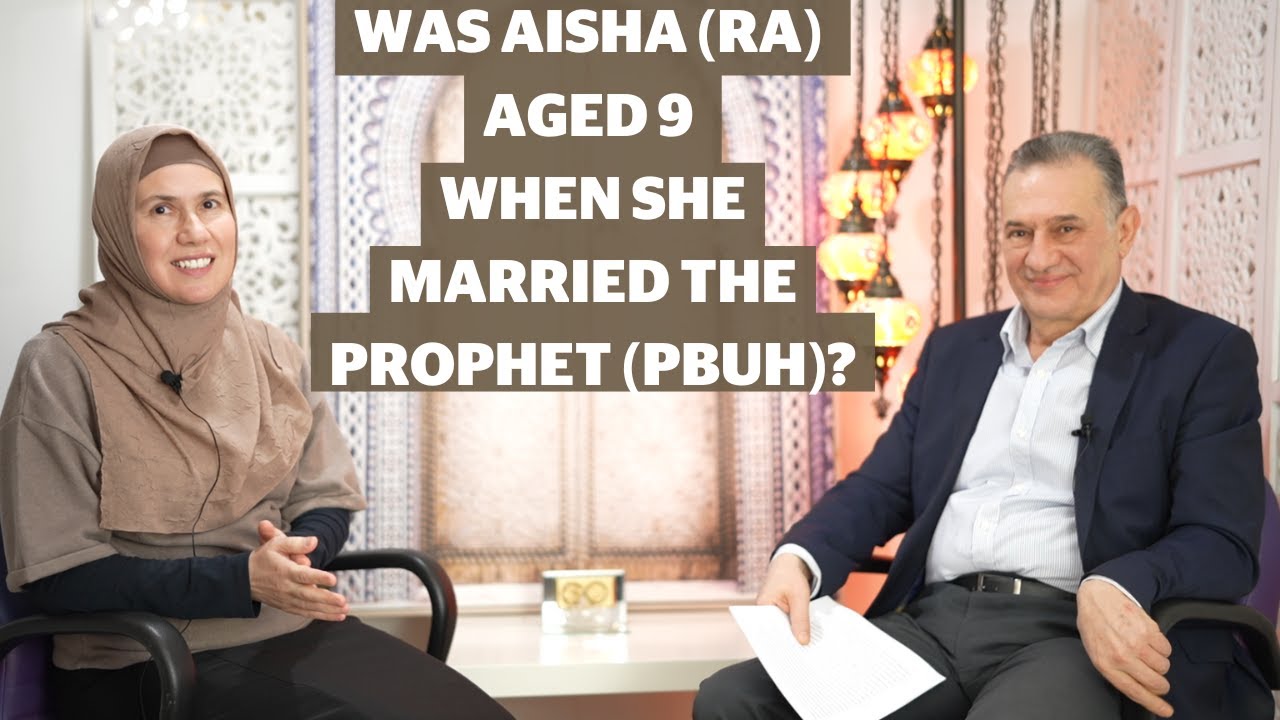 Was Aisha (ra) 9 Years Old When She Married the Prophet (PBUH)?


